
Archaeological heritage
Trebula SuffenasVilla Manni
Trebula Suffenas marks the passage between Praeneste and Tibur, where roads, control points and rural settlements converged.
Area tourDe historia Trebulae Suffenatis
De historia Trebulae Suffenatis
The remains of the historic center of the ancient Roman town of Trebula Suffenas extend through the park of present-day Villa Manni, on the slopes of the hill where Ciciliano stands, in the area of Ospedale Santa Maria Maddalena, southwest of Passo della Fortuna, on the right side of Via Empolitana (13 km from Tivoli).
These remarkable archaeological finds come from the systematic excavations carried out in 1948 by the Soprintendenza alle Antichita del Lazio, under the direction of Domenico Faccenna, within the Manni estate. They brought to light a small forum paved with tuff and travertine slabs, a large and refined Antonine bath complex (150-130 BC), several domus dating from the 2nd century BC to the late period and facing paved streets, as well as statues, columns, vases, coins, grain millstones, and a very large number of inscriptions.
At first, following what Rodolfo Lanciani had hypothesized in the early 1900s, these remains were thought to belong to a large Roman villa. This, unfortunately, justified the removal of the beautiful mosaic depicting the myth of Helle and Phrixus that paved the frigidarium of the baths and is now kept in storage at the Sanctuary of Hercules Victor in Tivoli.
In fact, as early as the end of the 19th century, some German scholars, on the basis of a small number of inscriptions previously found near Ciciliano mentioning magistracies and priesthoods, had already suggested the presence of an important center in this area. By correcting the transcription of a now-lost inscription, they identified it perhaps with Trebula near Tivoli, umida qua gelidas summittit valles, mentioned by Martial in one of his epigrams, and with the Treblis depicted between Praeneste and Carseoli in the Tabula Peutingeriana, the medieval copy of an ancient Roman map.
In 1956, the American scholar Lily Ross Taylor recognized in an inscription long preserved in the Vatican Museums both its origin in the territory of Ciciliano and its reference to Trebula Suffenas. In 1966, Cairoli Giuliani provided a survey and a description of the remains of buildings and roads visible on the Manni estate, not excluding that they might belong to a pagus.
However, the precise localization of the ancient city is due to Franco Sciarretta, starting in 1971. Before that, it had always been hypothesized on top of the hill of Ciciliano, where, moreover, several remains of polygonal walls and a Roman villa are present.
Trebula Suffenas therefore stood on Passo della Fortuna, long an important crossroads for transhumance routes and for connections with Tibur (Tivoli) and Praeneste (Palestrina), and therefore with Rome, gaining considerable importance over time as a strategic point.
Trebula, a place-name widespread among Italic peoples and comparable to our word casale, was founded by the Suffenates, a local community of the Aequi who controlled the entire territory east of Tivoli. Pliny the Elder, in fact, mentions the Trebulani qui cognominatur Suffenates to distinguish them from those of other centers with the same name.
At the end of the 4th century BC, during their wars against the Aequi for control of the territory, the Romans occupied Trebula of the Suffenates. In 303 BC, with the granting of civitas sine suffragio, it entered the Roman state.
Once Romanized, the city, elevated to municipality (civitas optimo iure) at the beginning of the 1st century BC, held important administrative functions over that broad part of Aequi territory that had remained excluded from colonial foundations.
Archaeological and epigraphic documentation indicates that Trebula was greatly enriched with monuments in the early imperial age, also thanks to the presence and support of the powerful Plautii Silvani family, to whom the community dedicated numerous honorary titles. More than one member of the gens Plautia was patronus of the municipium, which was enrolled in the tribus Aniensis and governed by duoviri alongside aediles and quaestores.
Marcus Plautius Silvanus was consul together with Augustus in 2 BC and built the famous family mausoleum near Ponte Lucano. The close friendship between his mother, the Etruscan Urgulania, and Livia, Augustus's wife, as well as the marriage between his daughter Urgulanilla and the young future emperor Claudius, simultaneously favored the rise of this gens and the development of Trebula Suffenas, their city of origin.
The collegium of the augustales was of notable importance in Trebula Suffenas, as shown by an important inscription from AD 14, the year of Augustus's death. Such an early adherence to the imperial cult and the notable numerical consistency of its members, at least 60 from the very beginning, confirm the close ties between the eminent gens of the Plautii Silvani and the imperial family.
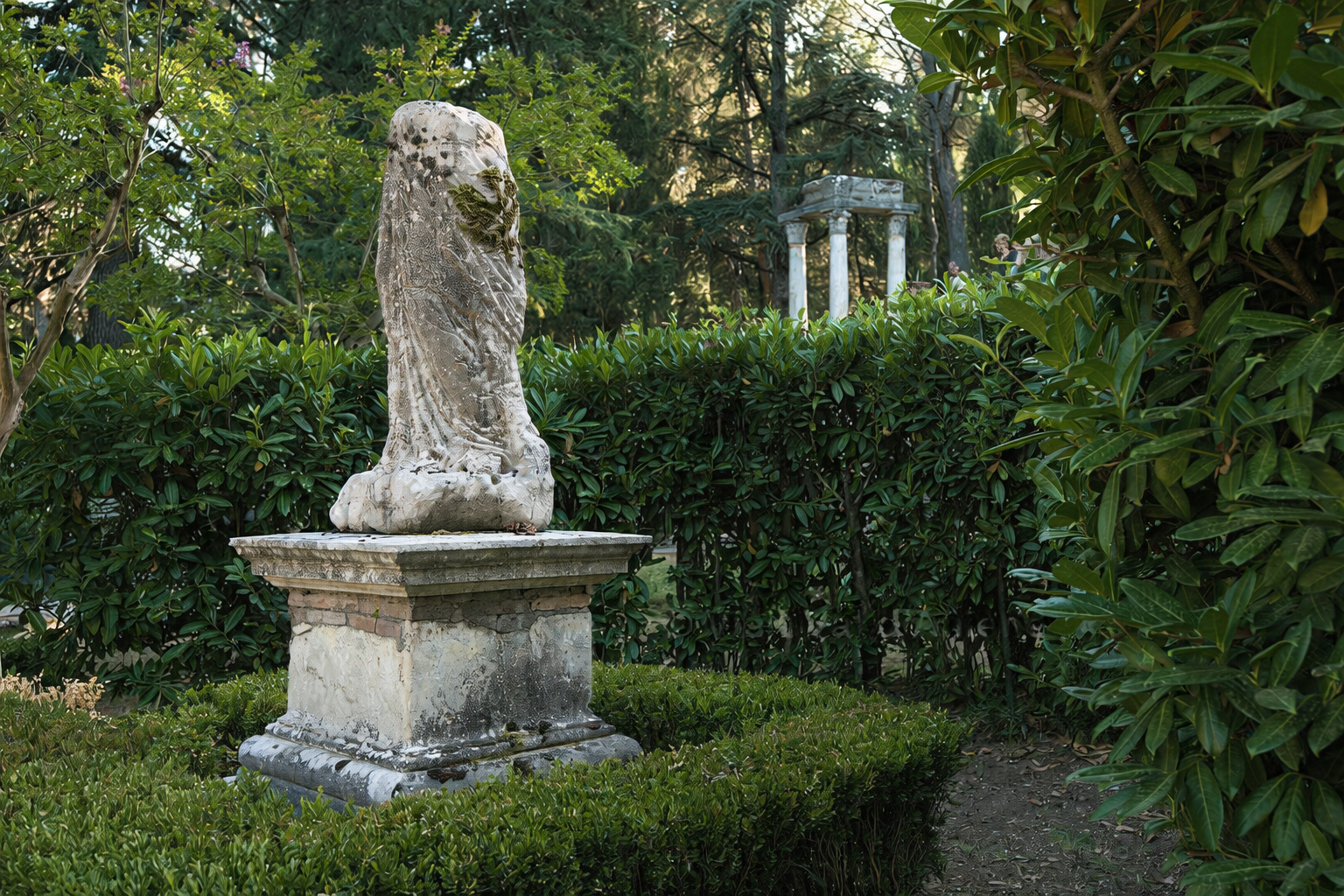
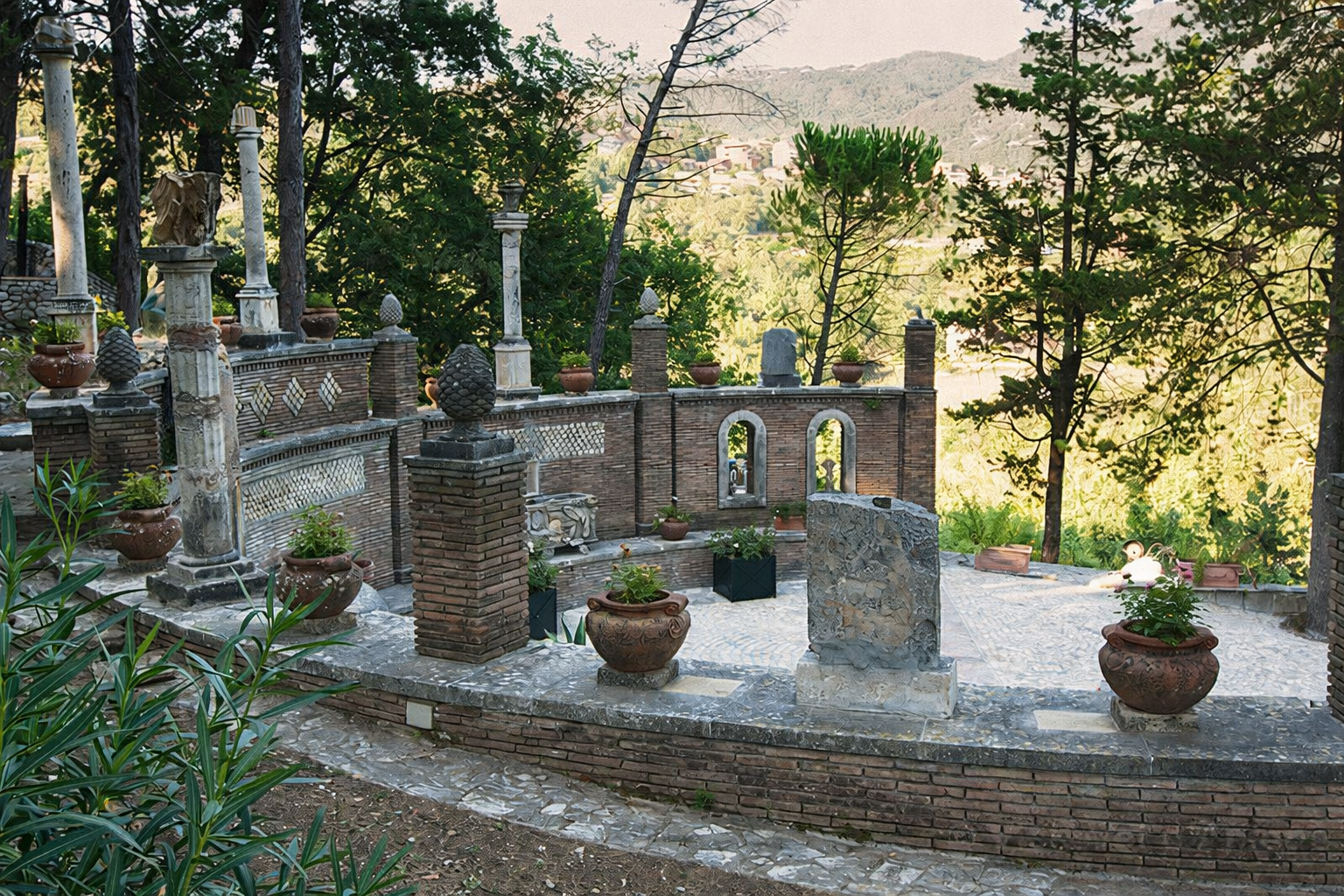
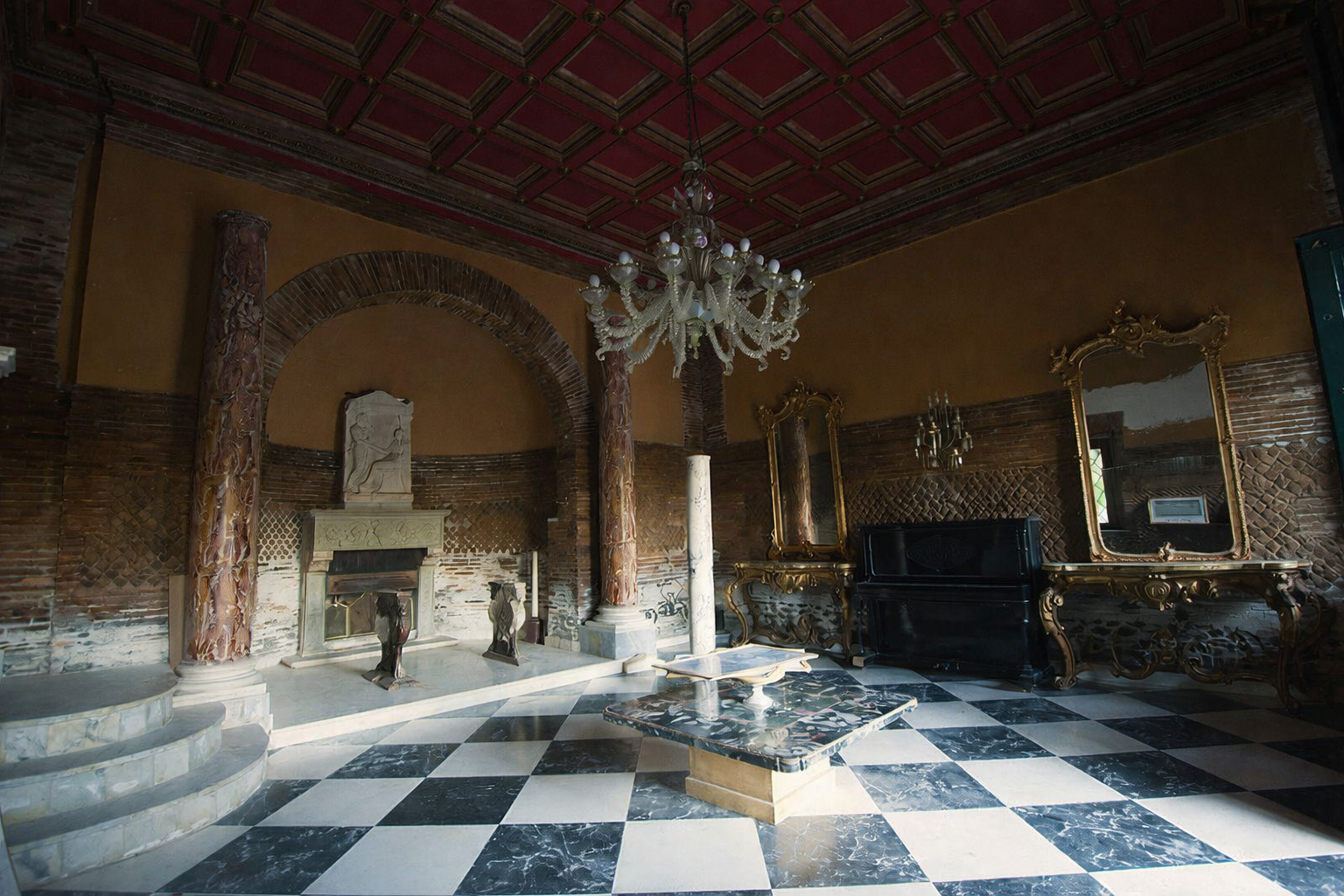
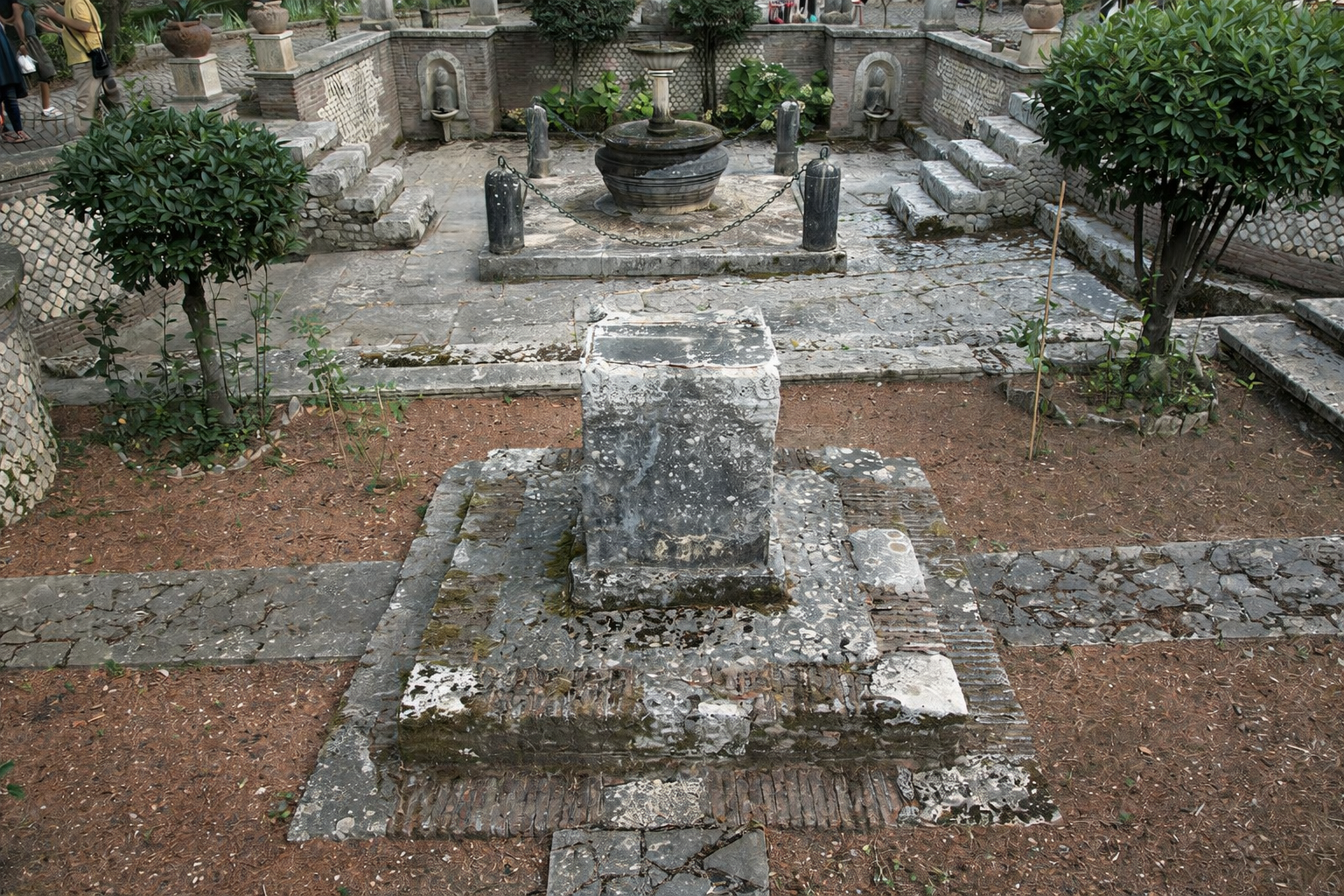
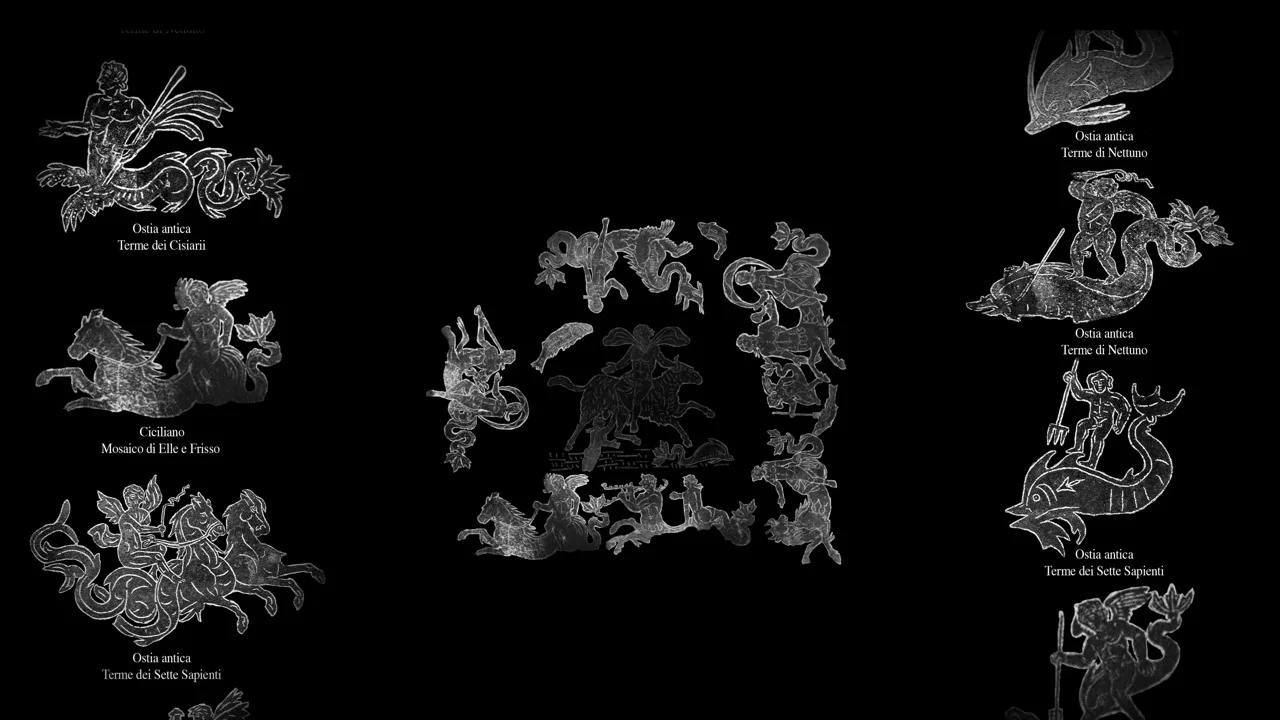
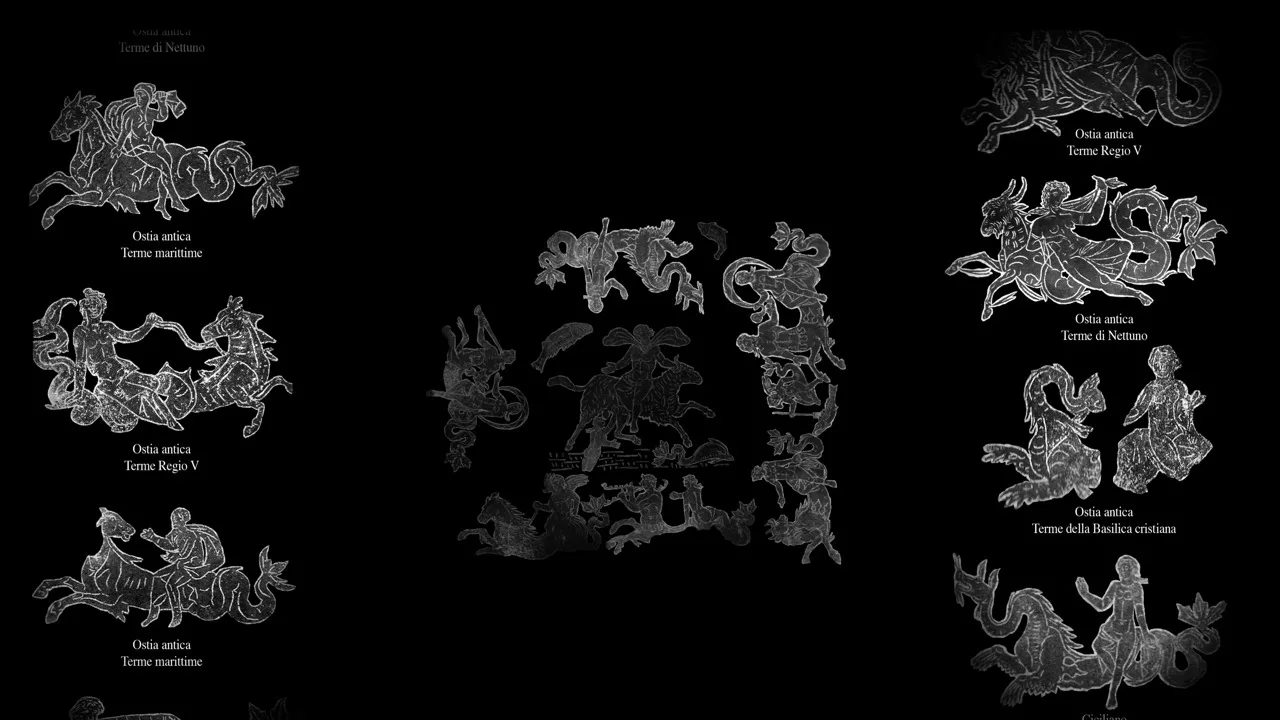
Photo archive
Lapidary Fragment
Sculptural remain in the Villa Manni garden
01/06
Learn more